So Much More Than a Pet Clinic: We Care About All Aspects of Your Pet's Life
Sometimes your pets can be overwhelming and you are not sure how to correct training and behavioral issues at home, which can leave you frustrated and even feeling helpless. At Harvey Memorial Animal Hospital, our staff can help to empower you on the proper way to train and counter condition to create a more loving and controlled home life for your family, and your pet. For those pets requiring extensive behavioral therapy, we can can help! Dr. Coll has a special interest in Animal Behavior and Training Techniques. We can work with you and your pet to help modify unwanted behaviors.
We can discuss any concerns during your visit.
Counter Conditioning
What is Counter Conditioning? Counter Conditioning is the use of conditioning techniques to evolve an unwanted behavior or response to a stimuli into a wanted behavior or a wanted response by the association of positive actions with the stimulus.
Below is a little information on this method of training. If you have any questions or if you would like to schedule a consultation please call us at (313) 882-3026.
Some Useful Videos:
How Dogs Learn by DrSophiaYin.com
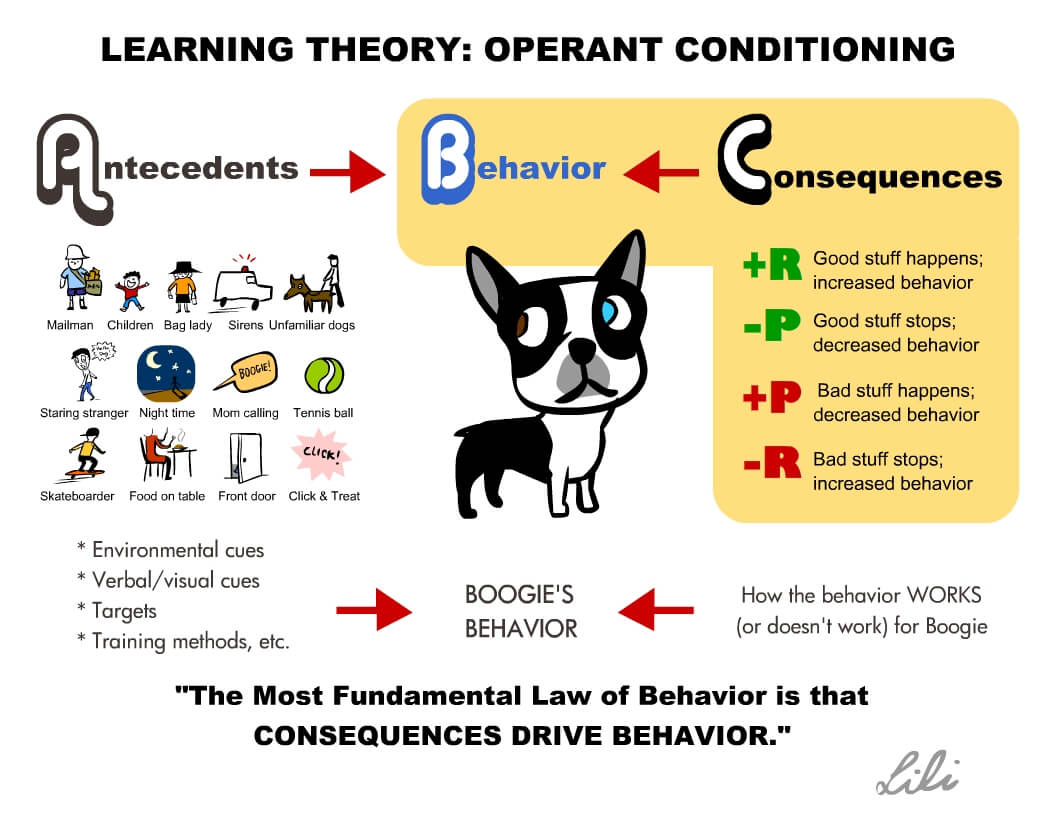
*In order to understand Counter Conditioning and Behavior Modification, we must first understand how animals learn. This video will explain in depth how animals learn so you can successfully train and shape behavior.
Counter Conditioning for Toenail Trimming by DrSophiaYin
*Counter Conditioning can help your pet enjoy even the most daunting tasks, such as a nail trim. This video shows how a dog is very afraid of a nail trim to the point where he acts out in aggression. By taking your time and using counter conditioning you can help the dog understand that this task can be fun and alleviate stress during the task.
Nail Maintenance for Dogs - Is another great resource for pet that is difficult for nail trims
Cats and Carriers: Friends Not Foes
*Counter Conditioning can also be used to train cats! Getting your cat into a cat carrier is one of the biggest complaints among cat owners. This can prevent owners from bringing their cat to the veterinarian when needed. This video will explain step by step how to get your cat to love their carrier and do well with traveling.
Basics for Clicker Training a Puppy
*Using a clicker can really help with training. The clicker allows you to mark the behavior right when it happens and your pet will soon associate the sound of the clicker with a reward or positivity.
Clicker Training Bob the Pug Puppy - Brought to you by Harvey Memorial Animal Hospital
Below is the “Ladder of Aggression,” or “Ladder of Reaction,” in dogs. Dogs communicate stress through body language, and small signals like lip licking or yawning are often the first indicators. At Harvey Animal Hospital, our team recognizes and uses these early signs to adapt and respond with low-stress handling techniques and counter conditioning to create a calmer, more positive experience.
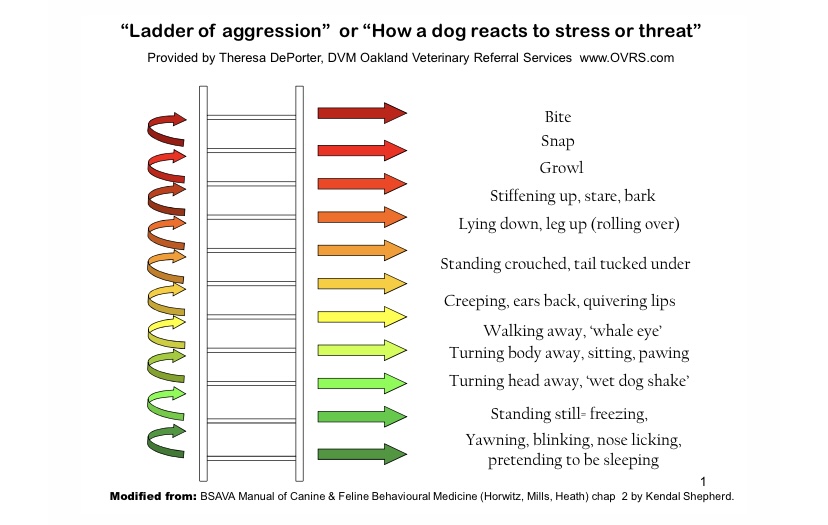
Understanding the “Ladder of Reaction” can be especially helpful when working with your dog at home and in everyday situations, such as introducing a new person, going for a walk on a leash, visiting the vet, or encountering unfamiliar environments. By recognizing early stress signals, such as lip licking, yawning, turning away, or avoiding eye contact, you can step in before your dog feels overwhelmed. When you notice these subtle cues, pause the interaction, create distance if needed, and pair the experience with something positive, such as treats, praise, or a favorite toy. This counterconditioning approach helps your dog build more positive associations over time. By responding early and thoughtfully, you can prevent escalation, strengthen trust, and create a calmer, more confident experience for your pet.
At Harvey Memorial Animal Hospital, your pet is our priority. If you have any questions, don't hesitate to call our team at (313) 882-3026, or you can email us at [email protected]. Our staff would love to talk with you!